Artificial Intelligence Consulting for Digital Transformation in Buffalo, NY
What Consulting Means for Digital Transformation
Artificial intelligence consulting helps organizations convert artificial intelligence into real-world business value. For Buffalo companies, that usually means connecting strategy, systems, and people so digital transformation is not just a buzzword but a measurable upgrade in performance. The best engagements focus on real business problems: how to improve efficiency, reduce manual work, personalize the customer journey, and create better insights for decision-making.
In practice, AI consulting often starts with an evaluation of current operations, data sources, and customer touchpoints. From there, consultants identify where business process automation can remove bottlenecks and where machine learning can improve forecasting, segmentation, or content recommendations. This is especially useful for organizations that want modernization without disrupting core operations all at once.
Digital transformation is wider than technology adoption. It includes process redesign, integration between platforms, team training, and a data-informed strategy that aligns technology with growth goals. The right AI consulting engagement helps businesses move from reactive work to proactive optimization. That can mean automating repetitive tasks, improving analytics, or creating personalized experiences that support both efficiency and scalability.
For Buffalo organizations, the value of AI consulting is often found in practical implementation. Instead of treating artificial intelligence as a separate initiative, the most effective programs embed it into web design, seo services, digital marketing, and internal workflow improvement. That creates a more connected digital strategy with stronger performance across the customer lifecycle.
Why Buffalo Businesses Require AI-Driven Growth Strategies
The Buffalo, NY business landscape is diverse, resilient, and more and more competitive. Medical systems, manufacturing firms, professional service providers, and small businesses all vie for customer attention in a region where buying behavior is shaped by seasonal trends, local loyalty, and changing local demand. In that environment, AI-driven growth strategies can create a meaningful competitive advantage.
Local competition is no longer just about who has the strongest service offering. It is also about who appears first in local search results, who replies fastest to inquiries, and who delivers a better customer experience. AI helps businesses make those improvements at scale. For example, a company can use automation to respond to leads faster, use analytics to identify high-value audiences, and use personalization to tailor messaging based on behavior and intent.
Customer experience matters especially in Buffalo’s relationship-focused market. Whether a business is serving downtown offices, waterfront development projects, or suburban neighborhoods across Western New York, people expect timely answers and relevant content. AI can support that expectation through chatbots, smarter content routing, lead nurturing, and predictive insights that help businesses anticipate needs before a customer even asks.
Operational efficiency is another major reason Buffalo organizations are adopting AI. Many companies are managing lean teams while still trying to grow. AI supports workflow automation, better integration between systems, and faster decision-making. That frees teams to focus on higher-value work, such as strategy, client service, and revenue growth. For businesses that want to expand without adding unnecessary overhead, AI consulting can be a practical path to modernization.
In what way does AI Help Support Web Design, SEO Services, and Digital Marketing
Artificial intelligence is changing how organizations tackle web design, SEO services, and digital marketing. Rather than relying only on manual analysis, teams can use artificial intelligence to collect insights, evaluate improvements, and optimize campaigns faster. This matters for Buffalo companies trying to stand out in Western New York’s fast-moving digital landscape, where every ranking position and every conversion can shape growth.
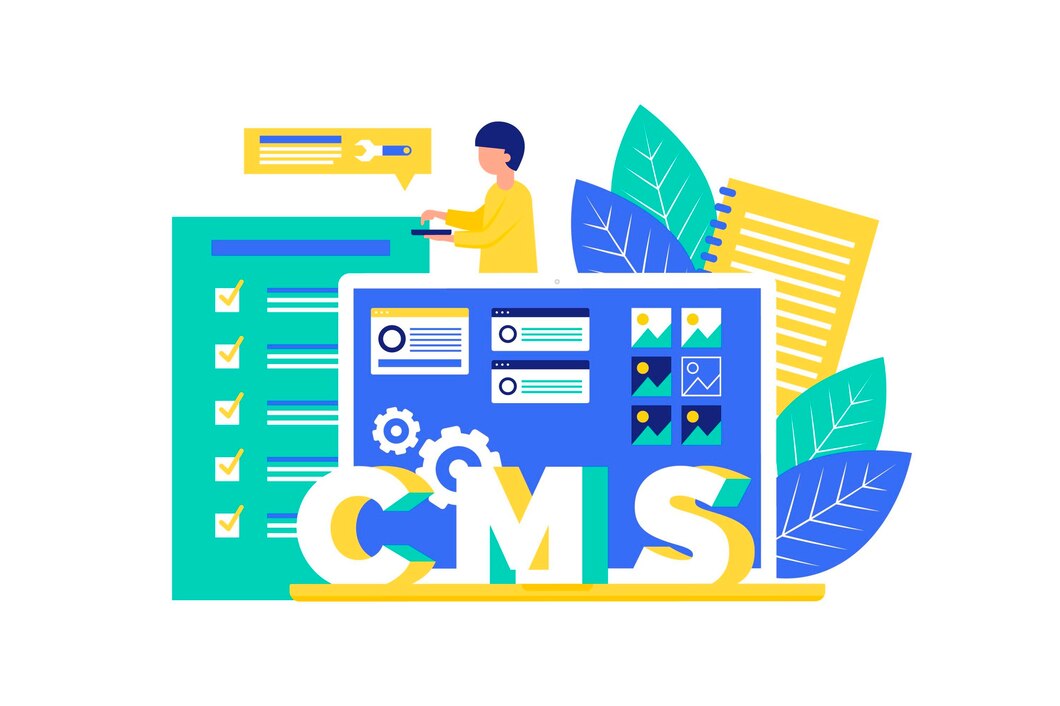
In web design, AI can assist with layout testing, content personalization, accessibility improvements, and behavioral analysis. In SEO services, AI can aid uncover search patterns, refine keyword targeting, and improve technical SEO performance. In digital marketing, it can enhance audience segmentation, automate repetitive campaign tasks, and improve lead generation through more relevant messaging.
The most effective approach is not to replace human judgment. It is to blend AI with expert strategy so businesses can make better decisions faster. That is where experienced AI experts become especially valuable. They understand how to connect website performance, search visibility, and campaign execution into one integrated optimization plan.
AI-Powered Website Strategy and UX Improvements
Strong website design starts with the user experience. AI can help teams analyze how visitors move through pages, where they drop off, and which content blocks drive conversion rate optimization. For Buffalo businesses, this can be especially helpful when serving mixed audiences such as patients, procurement teams, homeowners, or B2B buyers who each follow a different customer journey.
AI tools can identify friction points in website design, such as slow-loading pages, weak calls to action, or confusing navigation paths. With those insights, teams can make targeted improvements that support usability and performance. The result is often better engagement, more time on site, and higher conversion rates from forms, calls, or online inquiries.
Personalization is a further key advantage. A website can automatically modify content based on visitor behavior, location, or stage in the funnel. That means a visitor from Buffalo searching for service details may see different content than someone from another part of Western New York looking for pricing or scheduling information. When done well, this kind of fine-tuning improves effectiveness and makes the site feel more pertinent.
Applying AI for Smarter Search Visibility
Artificial intelligence also strengthens SEO services by improving technical SEO, keyword research, and search intent analysis. Search platforms prefer pages that align with what users actually want, not just pages that recycle keywords. AI helps teams assess search patterns at scale so they can build content around relevant questions, local relevance, and commercial intent.
For instance, a Buffalo company can apply AI to determine whether users are looking for service comparisons, emergency support, pricing details, or nearby providers. That search intent data helps shape content optimization so pages are more closely suited to user needs. It also supports better internal linking, metadata refinement, and topic clustering across the site.
Technical SEO benefits as well. AI tools can help detect crawl issues, duplicate content, broken links, and page performance problems that may weaken rankings. This is important in a market like Buffalo, where local search visibility can directly affect lead generation. When businesses want to win attention from customers looking for services in downtown Buffalo, the waterfront, or surrounding neighborhoods, search optimization needs to be both technically sound and locally relevant.
Sunstone Digital Tech50 Fountain Plz #1400, Buffalo, NY 14202
(315) 758-3349
https://maps.app.goo.gl/y9HMhvcoPCh9V3eKA
https://sunstonedigitaltech.com/buffalo-marketing-agency/web-design
42.8898193, -78.8738661
AI in advertising and omnichannel marketing
AI makes digital marketing more adaptive across paid ads, email campaigns, and social media campaigns. Instead of just relying on general assumptions, marketers can use analytics and automated tools to optimize customer targeting, budget allocation, and campaign timing. That creates stronger performance and more effective use of ad spend.
In digital ads, AI can optimize bid strategies, market segmentation, and campaign testing. In email marketing, it can tailor headline lines, send times, and content based on response behavior. In social media campaigns, it can help determine which themes, post styles, and posting schedules generate the best response. These capabilities foster better lead development and a more unified multi-channel experience.
For Buffalo businesses, timing matters. Seasonal market shifts can affect everything from home services and retail to healthcare scheduling and event-based promotions. AI helps marketing teams respond faster to those changes with timely campaigns and more relevant messaging. That flexibility is especially valuable when trying to stay seen in a crowded regional market.
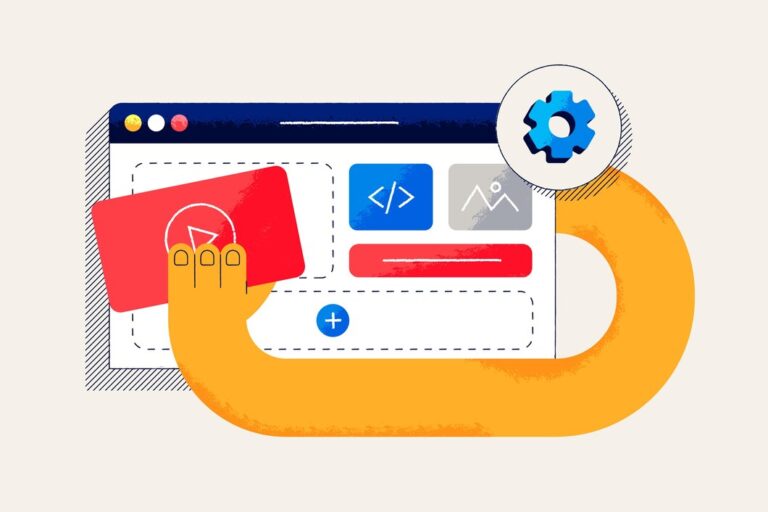
Essential Artificial Intelligence Use Cases for Buffalo Organizations
Buffalo organizations can use AI in many ways, but several approaches consistently create value. Forecast analysis is one of the most important. It helps businesses forecast demand, identify customer trends, and prioritize outreach based on likely outcomes. For a manufacturer, that may mean better inventory planning. For a professional services firm, it may mean determining which leads are most likely to convert.
Virtual assistants are another practical application. They can answer common questions, route inquiries, and support customers outside normal business hours. This improves customer experience while reducing the burden on internal teams. Chatbots also support lead generation by capturing contact details, qualifying intent, and directing prospects to the right next step.
Task automation can reduce repetitive work across departments. That might include automating follow-up emails, invoice routing, appointment reminders, or internal approvals. These changes improve efficiency and help teams maintain consistent performance even as workload grows. When workflow automation is connected to CRM systems and marketing platforms, the entire operation becomes more responsive.
Predictive analytics, automated chat tools, lead generation, and workflow automation are especially useful in industries with high inquiry volume or complex service paths. Healthcare providers can improve scheduling support. Manufacturers can streamline account management. Small businesses can provide faster responses without expanding headcount. The common thread is that AI creates better insights and more reliable execution.
Picking the Right AI Experts and Consulting Partner
Choosing the best consulting partner is essential because AI projects thrive when strategy, implementation, and change management are aligned. Not all vendor understands how to convert artificial intelligence into business results. The best AI experts begin with business goals, then create an implementation roadmap that reflects the client’s systems, data quality, team capacity, and growth priorities.
A strong consulting partner should have experience across digital transformation, web design, SEO services, digital marketing, and operational improvement. That cross-functional knowledge matters because AI often affects more than one department at a time. A website change may influence lead generation. A new automation may change sales workflows. A predictive model may affect how campaigns are prioritized.
Change management is another major factor. Even the most advanced solution will fall short if teams do not understand how to use it. Good AI consultants help organizations build buy-in, train users, and create a realistic adoption plan. They also identify risks early, especially around data readiness, integration, and internal process alignment.
For Buffalo businesses, local experience can be especially helpful. A consulting partner familiar with Western New York market conditions may better understand seasonal fluctuations, regional buying behavior, and the practical needs of smaller teams. That local perspective can improve both implementation and long-term performance.
Execution Roadmap for a Effective AI Deployment
A well-planned AI launch usually begins with data readiness. Businesses need to know whether their data is accurate, accessible, and organized sufficiently to support AI-powered decisions. This includes CRM data, website analytics, sales records, customer service logs, and marketing performance data. Without a strong data foundation, even advanced tools can produce weak or misleading results.
After the readiness assessment, many organizations start with a pilot program. A pilot maintains the scope manageable and allows teams to test a single use case before expanding. For example, a company might begin with chatbot support, lead scoring, or automated reporting. A pilot program helps teams learn what works, what needs adjustment, and where the biggest value appears.
KPI tracking should be built into the rollout from the beginning. Metrics might include response time, lead volume, conversion rate, cost per acquisition, customer satisfaction, or internal task completion time. Clear KPI tracking makes it easier to evaluate performance and refine the solution over time.
Scalable solutions matter as well. Businesses should avoid one-off tools that cannot grow with the organization. Instead, the goal should be implementation that can expand across departments or business units as confidence increases. A well-designed AI roadmap supports both short-term wins and long-term modernization.
Measuring ROI from AI Consulting Engagements
Return on investment is one of the most important questions in any AI consulting initiative. Organizations want to know whether the work is delivering measurable value. The answer usually comes from a combination of cost savings, revenue growth, and performance metrics tied to specific business goals.
Cost savings can appear through automation, quicker task completion, fewer manual errors, or reduced reliance on repetitive labor. Revenue growth may come from better lead generation, stronger conversion rate optimization, improved customer retention, or more effective digital marketing. Performance metrics help connect those outcomes to specific initiatives so leaders can see what is working.
To measure investment return well, organizations need a baseline before implementation. That baseline might include current response times, conversion rates, support volume, or campaign performance. Once AI tools are in place, the business can compare changes over time and determine whether the investment is creating meaningful improvement.
It is also important to measure indirect value. A better customer experience can improve loyalty. Better analytics can improve decision-making. Workflow automation can free up staff for higher-impact work. These benefits may not always show up immediately in revenue numbers, but they contribute to sustainable growth and stronger competitive position.
Location-Specific Considerations for AI Implementation
Buffalo businesses encounter a unique mix of chances and obstacles that affect AI adoption. Western New York includes a diverse industry mix, from healthcare and manufacturing to professional services and small business operations. That diversity means AI strategies must be flexible enough to fit different business models and maturity levels.
Local market trends also count. Buffalo’s economy has seen continued momentum in downtown development and waterfront areas, which can influence customer traffic, business investment, and partnership https://syracuse-ny-oy071.hexaforgey.com/posts/how-to-organize-web-content-and-search-engine-optimization-for-buffalo-businesses opportunities. Companies operating near those growth hubs may need more sophisticated digital strategy to stay visible as competition increases and buyer expectations rise.
Talent availability is another key consideration. Some organizations have strong in-house teams, while others need external support to bridge skill gaps. AI consulting can help fill that gap by providing AI experts who understand both strategy and implementation. That support is especially useful when internal staff are already overextended across marketing, operations, and customer service.
Seasonal and local-market buying behavior also affects how AI should be deployed. Buffalo audiences may respond differently depending on weather, holidays, school schedules, and regional events. AI can help businesses adjust by analyzing trends, improving campaign timing, and personalizing outreach based on changing demand. That kind of responsiveness increases efficiency and makes marketing feel more relevant to local customers.
For Buffalo organizations, the most effective AI adoption plans are grounded in business reality. They focus on measurable outcomes, practical integration, and scalable growth. Whether the goal is better web design, stronger SEO services, more effective digital marketing, or internal modernization, AI consulting can help turn ambition into execution.
FAQ
What does AI consulting include for digital transformation?
AI consulting for digital transformation typically includes strategy development, use case selection, data readiness review, implementation planning, and performance measurement. It may also include business process automation, workflow redesign, change management, and support for integrating artificial intelligence into web design, SEO services, and digital marketing.
How can AI improve web design, SEO services, and digital marketing?
AI can improve web design by analyzing user behavior and supporting conversion rate optimization. In SEO services, it supports technical SEO, keyword research, and search intent analysis. In digital marketing, it drives audience targeting, personalization, email marketing, paid advertising, and social media marketing. Together, these improvements deliver a stronger customer experience and improved lead generation.
What types of Buffalo businesses benefit most from AI experts?
Buffalo businesses in healthcare, manufacturing, professional services, and small business sectors often gain the most from AI experts. These organizations usually have usable data, repeatable workflows, and growth goals that can be improved through automation, predictive analytics, chatbots, and smarter digital strategy.
How long does it take to implement an AI strategy?
The timeline depends on data readiness, project scope, and internal capacity. A focused pilot program may take several weeks to a few months, while a broader digital transformation initiative can take longer. The best implementation approach opens with a clear roadmap, realistic goals, and KPI tracking so progress can be measured at each stage.
How do you measure ROI from AI consulting?
ROI from AI consulting is measured using return on investment, cost savings, revenue growth, and performance metrics. Businesses should define a baseline before implementation and then compare results over time. Common measures include faster response times, improved lead generation, higher conversion rates, reduced manual work, and better customer retention.